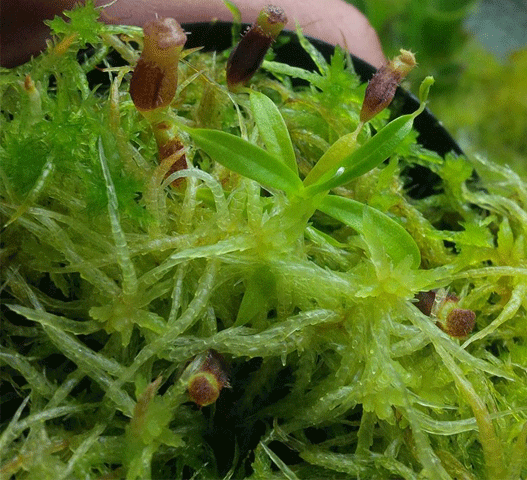


How to Grow Cephalotus (Albany Pitcher Plant): Soil Mix, Drainage & Watering Guide
Cephalotus follicularis, commonly known as the Albany pitcher plant, is one of the most unique carnivorous plants you can grow. Many growers search for advice on how to grow Cephalotus because this species has a reputation for being both beautiful and sensitive to poor soil conditions.
One of the biggest secrets to successful Cephalotus care is using a soil mix that provides excellent drainage. In this guide we explain why Cephalotus hate soggy soil, how to water them properly, and what kind of soil mix works best for healthy plants.
The key to successfully growing Cephalotus is understanding one critical rule — excellent drainage.
Why Cephalotus Hate Soggy Soil
In nature, Cephalotus grows in sandy coastal environments where water drains away quickly. The roots stay moist but never sit in stagnant water for long periods.
When grown in heavy or waterlogged soil, the roots can easily rot. This is why many experienced growers prefer a soil mix that drains freely while still holding enough moisture for the plant.
Good drainage keeps oxygen around the roots and helps prevent the sudden collapses that Cephalotus are famous for.
Watch the Drainage Test
The quick test below demonstrates what proper drainage should look like. When water is poured over the soil mix, it should drain almost immediately rather than pooling on the surface.
Video demonstration:
Best Soil Mix for Cephalotus (Albany Pitcher Plant)
A well-draining soil mix is one of the most important factors in keeping Cephalotus healthy. Many growers use mixes that combine components such as sphagnum moss, peat, perlite, lava rock, sand, pumice or other aerating materials.
Because watering habits differ from grower to grower, some people adjust their soil mixes slightly to match how often they water. The goal is always the same — a mix that drains quickly while still holding enough moisture for the roots.
If you prefer a ready-to-use solution, Cephalotus PROmix™ was developed specifically for this species to provide excellent drainage while maintaining balanced moisture retention.
How to Water Cephalotus
Cephalotus generally prefer moist soil rather than constantly wet conditions. Many growers allow the top layer of soil to become slightly drier between waterings before watering again.
Good drainage allows water to move through the pot quickly while still leaving enough moisture behind for the plant to absorb.
Occasionally watering from above can also help flush the soil and ensure fresh water reaches the root zone.
One interesting feature of Cephalotus is that the pitchers themselves can sometimes give you clues about hydration. When the plant is slightly on the dry side, the lids of the open pitchers may sit a little more closed. As the plant becomes fully hydrated again, the lids often open wider.
While this isn’t a strict rule, many growers notice this subtle change and use it as a small visual indicator when checking their plants.
Common Cephalotus Growing Mistakes
Many Cephalotus problems come from soil that stays too wet for too long. Because this species prefers excellent drainage, constantly soggy soil can quickly lead to root problems.
Another common mistake is using soil mixes that are too dense or compact. A well aerated mix allows water to move through the pot while still keeping the roots lightly moist.
Good airflow, bright light and a stable environment also help Cephalotus grow stronger and produce healthy pitchers over time.
Healthy Cephalotus Plants
When grown in the right conditions, Cephalotus can produce beautiful clusters of pitchers and become a striking feature in any carnivorous plant collection.
If you would like to start growing this remarkable species, you can explore our current availability here:
Cephalotus FAQ
What soil mix is best for Cephalotus?
Cephalotus require a very airy, free-draining soil mix. Water should pass through the pot quickly so the roots never remain waterlogged. Many growers use mixes containing sphagnum moss, perlite, lava rock, pumice or sand to improve drainage.
Why do Cephalotus suddenly die?
The most common reason is poor drainage. If the soil stays wet for too long the roots can suffocate and rot quickly. Using a well-draining soil mix and allowing slight drying between waterings helps prevent this problem.
How often should you water Cephalotus?
Cephalotus prefer moist soil rather than constantly wet conditions. Many growers allow the top layer of soil to become slightly drier between waterings while keeping the root zone lightly moist.
Once you get the soil mix, drainage and watering right, Cephalotus can become one of the most rewarding carnivorous plants to grow.
This article is part of Cultivo Carnivores’ growing library of carnivorous plant care guides.